Hillsborough Law Brings Hope in Ongoing Spycops Inquiry
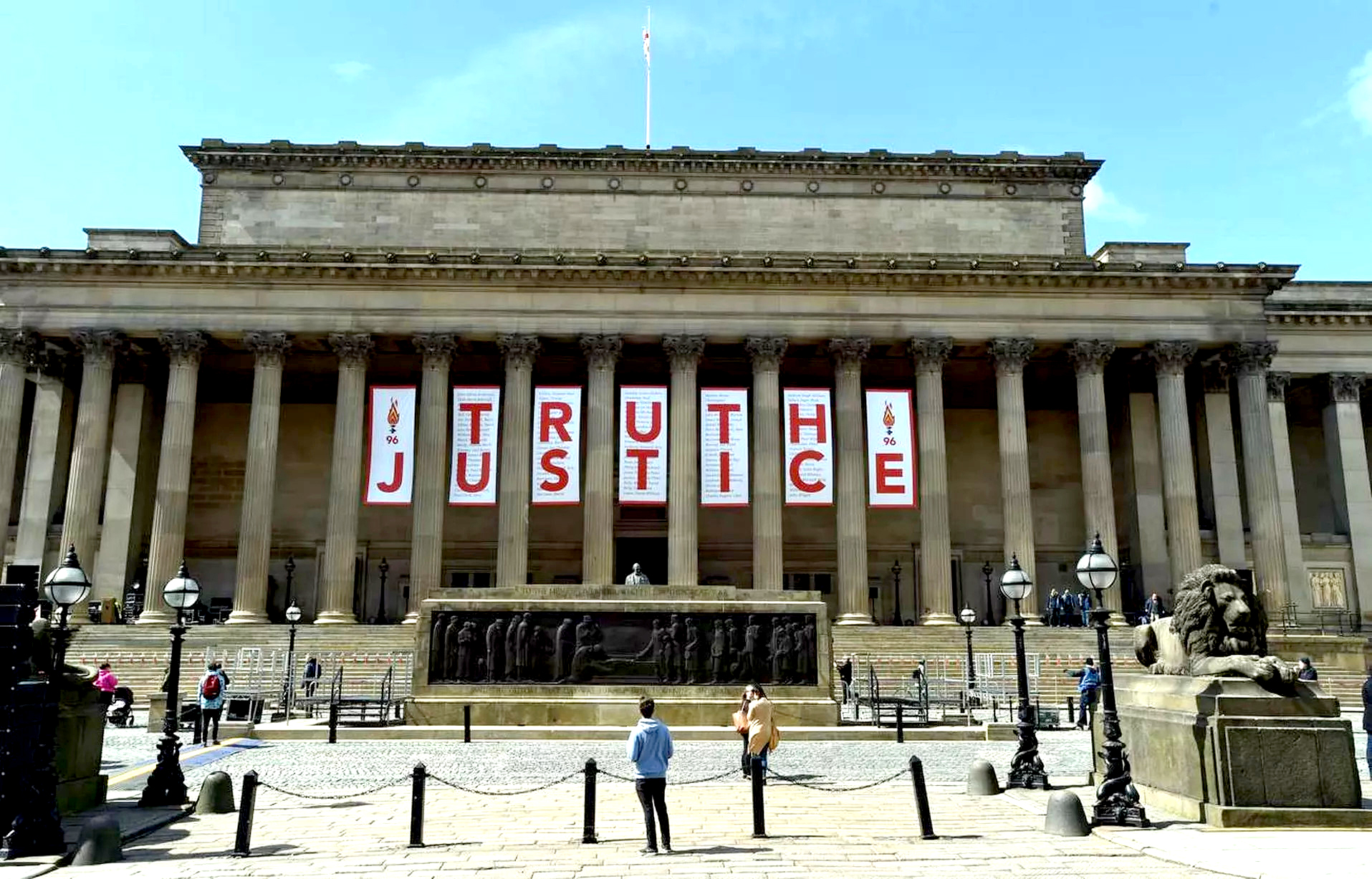
St Georges Hall, Liverpool, with Truth and Justice banners in April 2016 after inquests found those who died at Hillsborough had been unlawfully killed
Survivors of spycops’ abuses welcome the news today that the The Public Office (Accountability) Bill has passed the Commons. It marks a significant moment in the long struggle to ensure that the state can no longer evade accountability when it harms the people it claims to serve.
This ‘Hillsborough Law’ is a testament to the extraordinary persistence of the Hillsborough families, whose decades-long campaign has transformed the national conversation about truth, accountability and justice. Their achievement means a lot to anyone who has faced institutional denial, concealment and abuse.
We recognise these patterns all too well. For decades, police officers operating undercover deceived women into intimate relationships as they unlawfully spied on political groups, trade unions and justice campaigns. They stole the identities of deceased children, acted as agents provocateur, hoovered up personal information on thousands of people, kept illegal employment blacklists and lied in their intelligence reports; while Special Branch commanders avoided discipline for their officers and kept everything in house to cover up corruption.
Those abuses are now being investigated and evidence is coming out. We are ‘core participants’ in the Undercover Policing Inquiry (UCPI), but the Inquiry itself has become an illustration of why this law is so badly needed.
More than ten years since the inquiry was announced, many of us are still waiting for answers, and progress is constantly hampered by institutional resistance, incomplete disclosure and police witnesses who have shamelessly lied, treating the inquiry process with the same contempt they showed the criminal and civil courts during their operations, leading to dozens of miscarriages of justice.
Having heard from many former undercover officers, and those who they spied upon, the Inquiry has now turned its attention to the senior officers and government departments who authorised, supervised and oversaw these operations, but the drive to conceal police misconduct behind a wall of institutional secrecy has continued right up the chain.
Over the next two weeks the Inquiry will hear from former Metropolitan Police leaders, including former Commissioner Lord Paul Condon, and the key question is no longer what undercover officers did, but who knew, who approved, who benefited from the intelligence gathered on political campaigners and community organisations, and who helped to conceal the truth?
No law can undo the harm already caused, but the Hillsborough Law would make obstructing and lying to this inquiry a criminal offence.
By creating meaningful consequences for those who deliberately mislead or frustrate investigations, this law has the potential to effect real change for us, as the Undercover Policing Inquiry rumbles on. The search for truth should never depend on the persistence or resources of victims and bereaved families.
This legislation strikes a blow against the culture of cover-up and impunity that has characterised so many public scandals, and we congratulate the Hillsborough families on their historic achievement and thank them for the example they have set. Their determination will have lasting consequences for us all.
– Core Participants in the Undercover Policing Inquiry